




















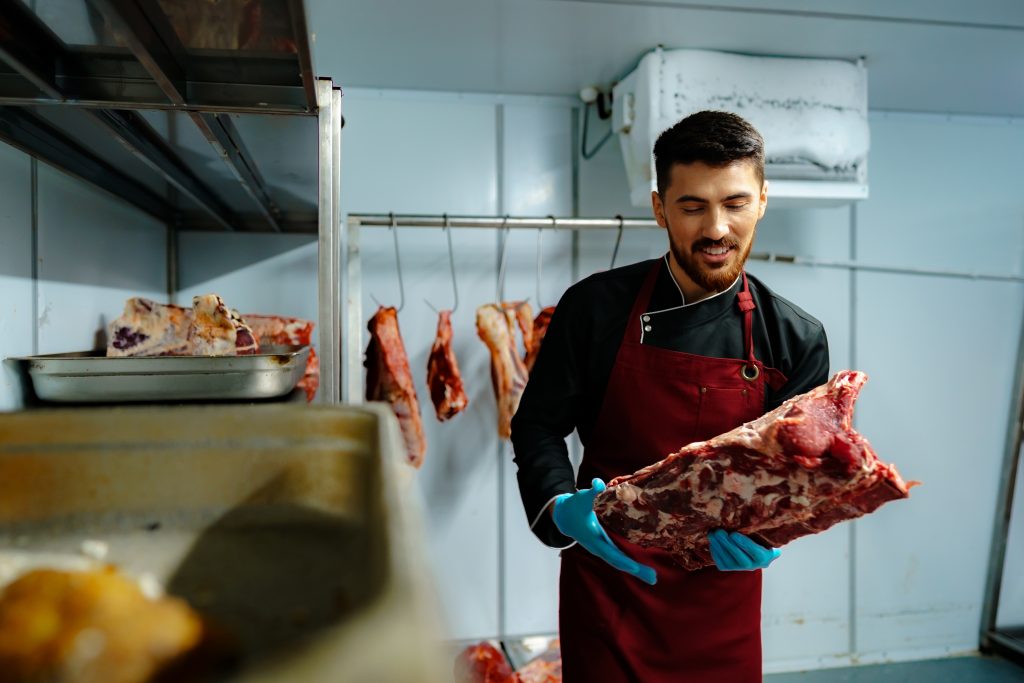
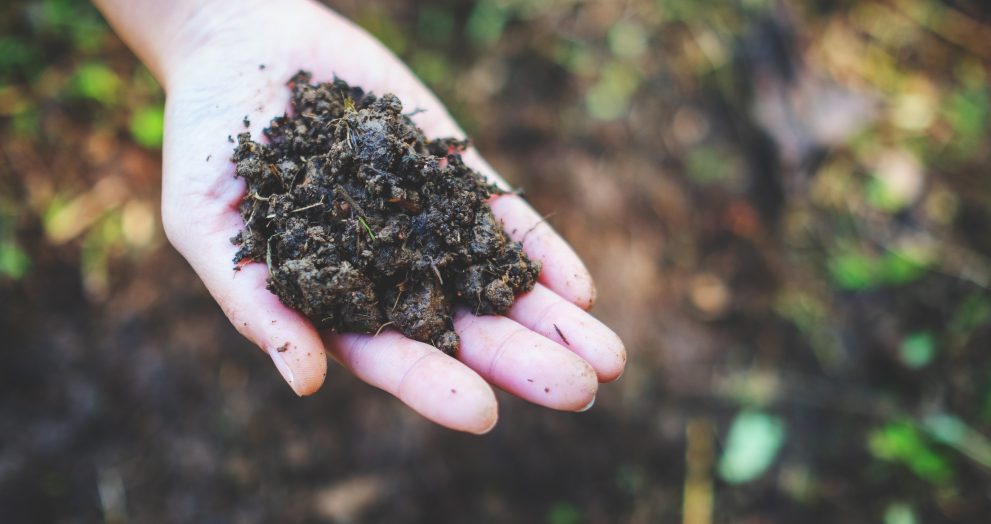
Composting and Soil Health: Sustainable Practices for Halal Meat Production

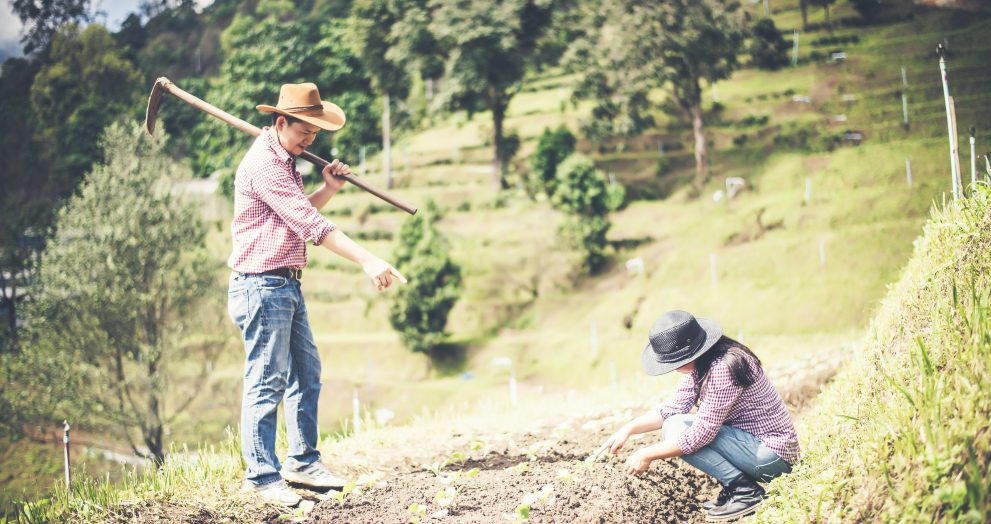
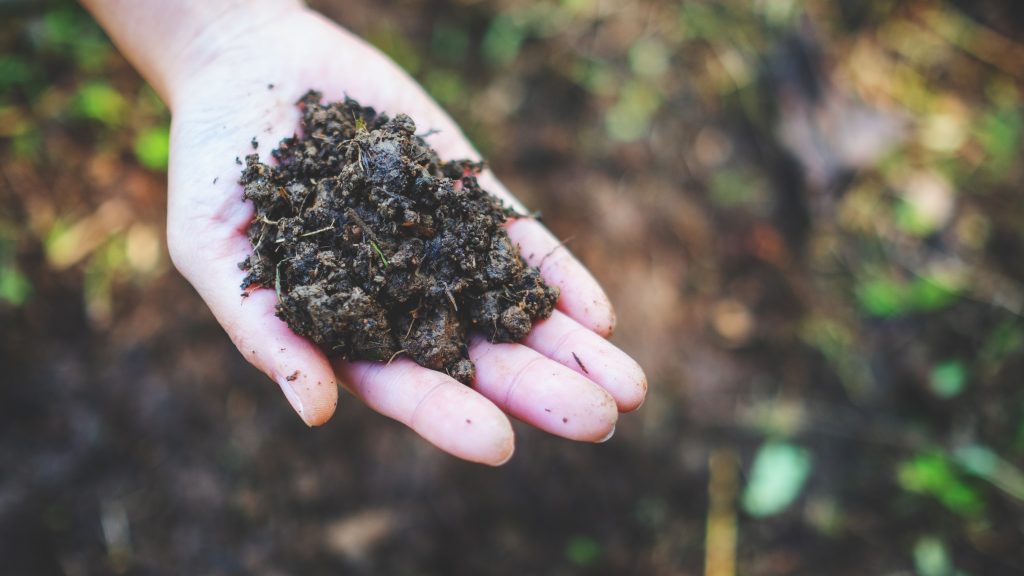
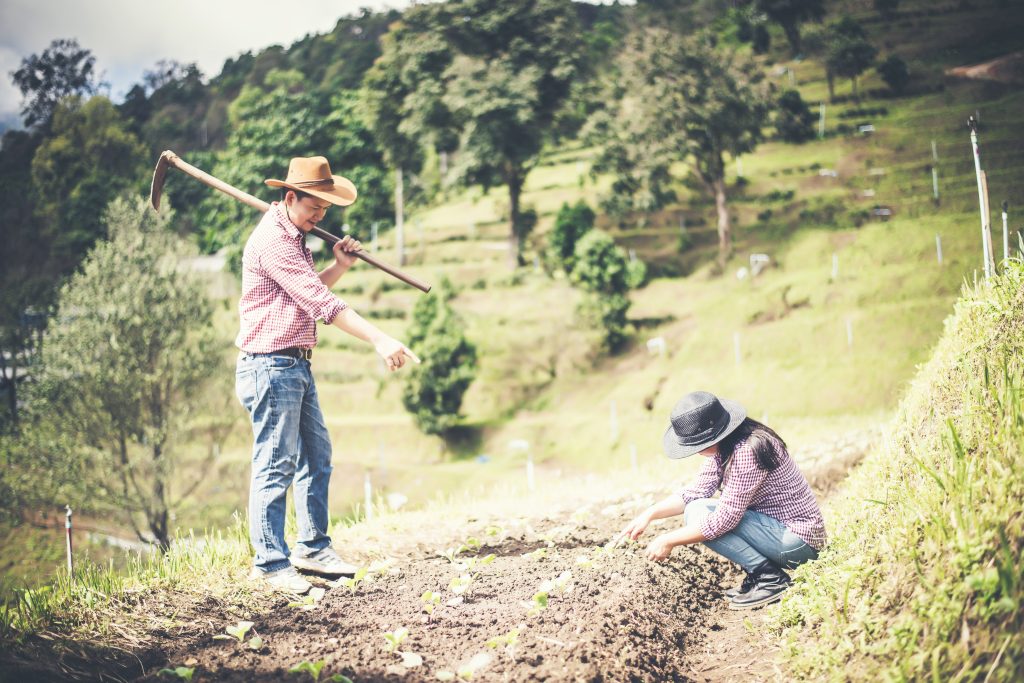
Healthy soil is the foundation of sustainable farming. For livestock and feed crop production, maintaining fertile, nutrient-rich soil is crucial to ensure animals are fed naturally, meat is wholesome, and farms remain environmentally responsible. Composting plays a key role in enhancing soil health while supporting eco-friendly and halal (tayyib) farming practices.

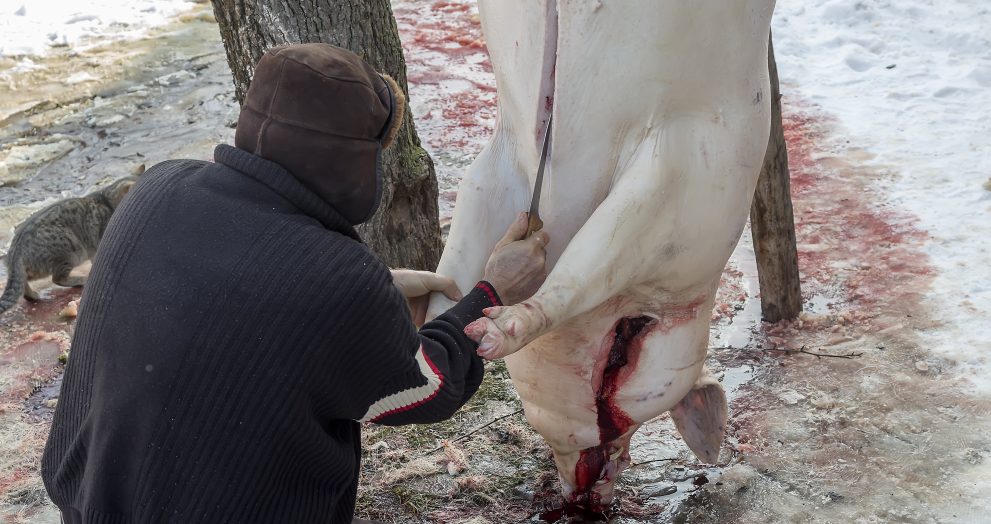
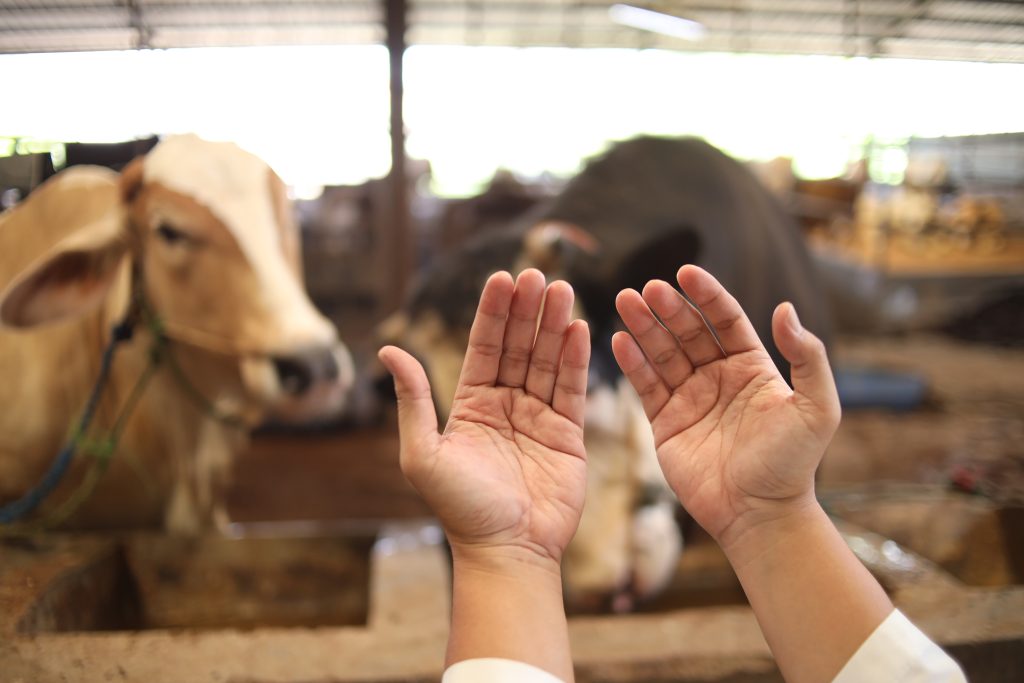
Islam’s Guidance on Animal Welfare: Ethical Practices for Halal Meat Production

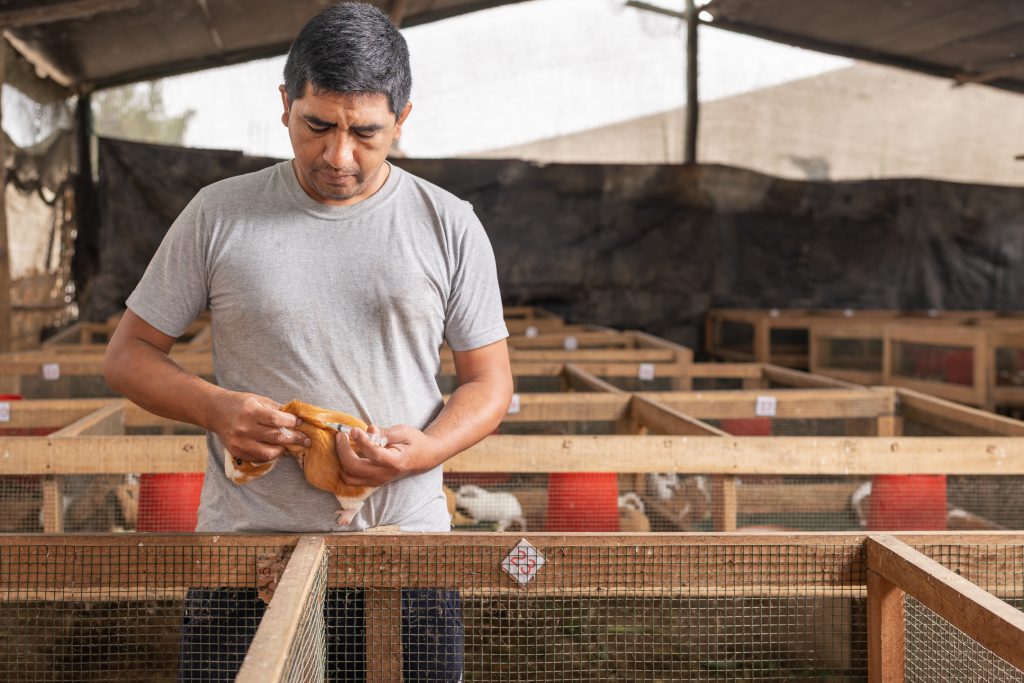
Islam places a strong emphasis on compassion, mercy, and ethical treatment of all creatures, including livestock. Animal welfare is not just an ethical choice but a religious obligation, ensuring that halal meat is lawful (halal) and wholesome (tayyib). Understanding Islamic guidance on animal care helps farms like Zabiha Farms provide meat that is ethically sourced, humane, and spiritually compliant.

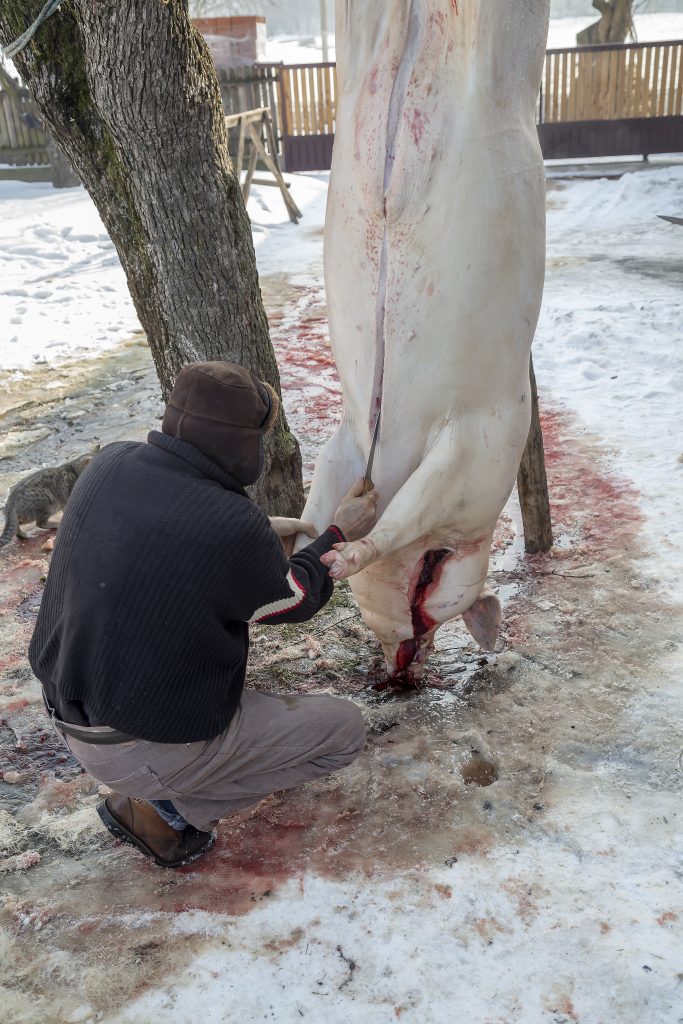
Ensuring Ethical Treatment in Slaughter: Halal and Humane Practices

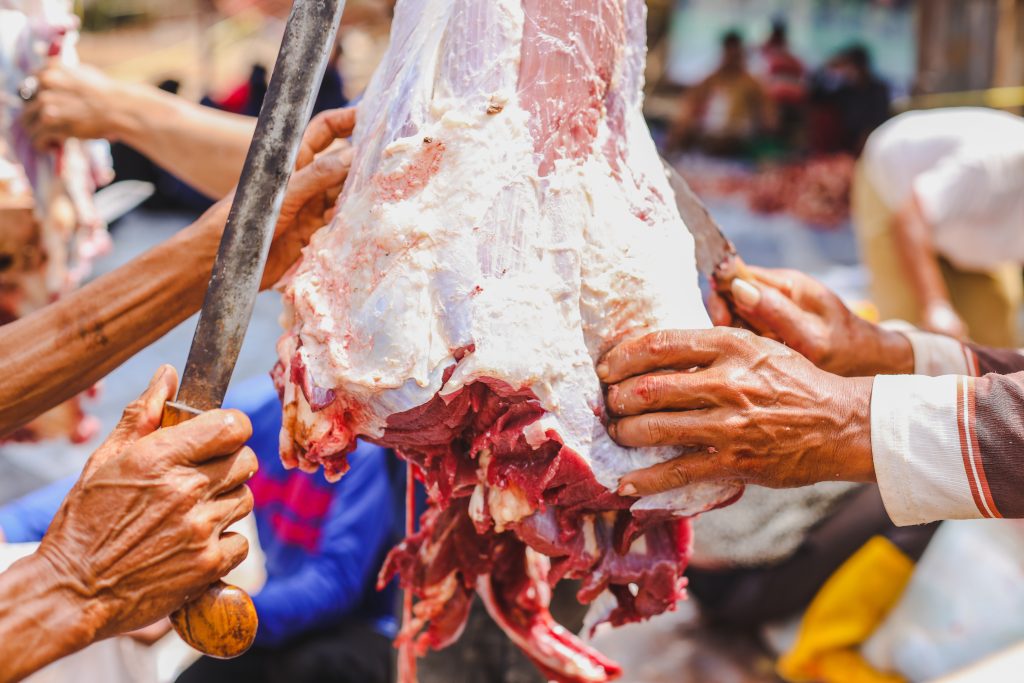
The process of slaughter is one of the most critical aspects of halal meat production, not only for compliance with Islamic law but also for ensuring humane and ethical treatment of animals. Ethical slaughter aligns with the principles of tayyib (wholesome) meat, environmental responsibility, and compassionate farming. Zabiha Farms prioritizes ethical slaughter practices to ensure that every animal is treated with respect, care, and dignity from farm to plate.

Balancing Farming and Compassion: Ethical Practices in Halal Meat Production

Farming is a vital human activity, providing food and sustenance. However, it comes with the responsibility to treat animals with care, ensure environmental stewardship, and uphold ethical standards. For halal-conscious consumers, balancing farming efficiency with compassion and Islamic ethical principles is essential to ensure that meat is halal, wholesome (tayyib), and ethically sourced.

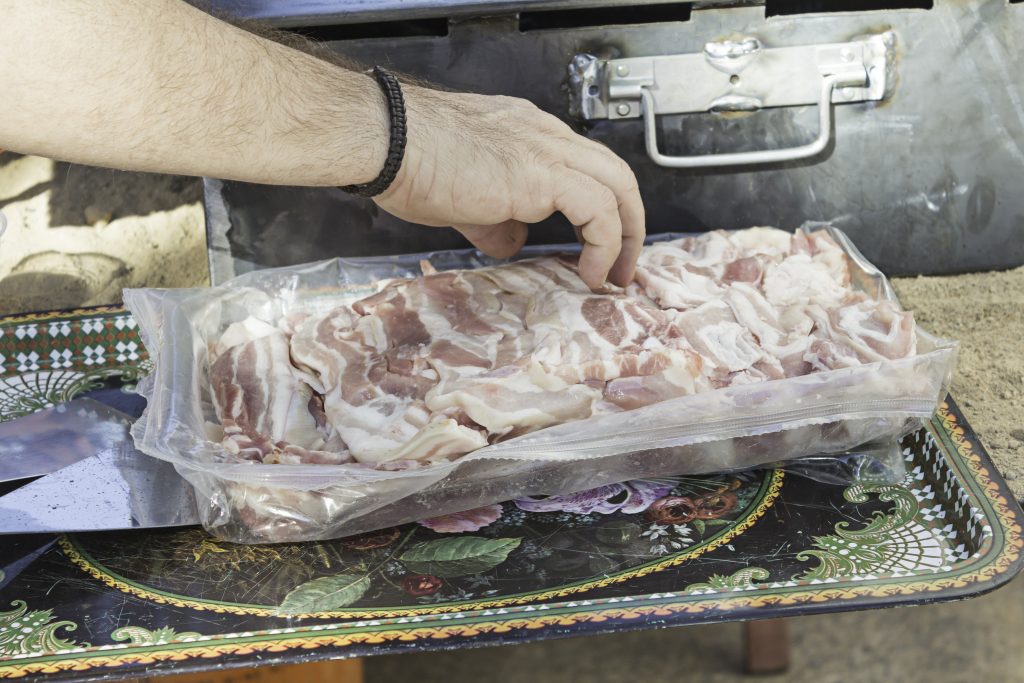
How to Freeze Zabiha Meat Properly: Tips for Freshness and Quality

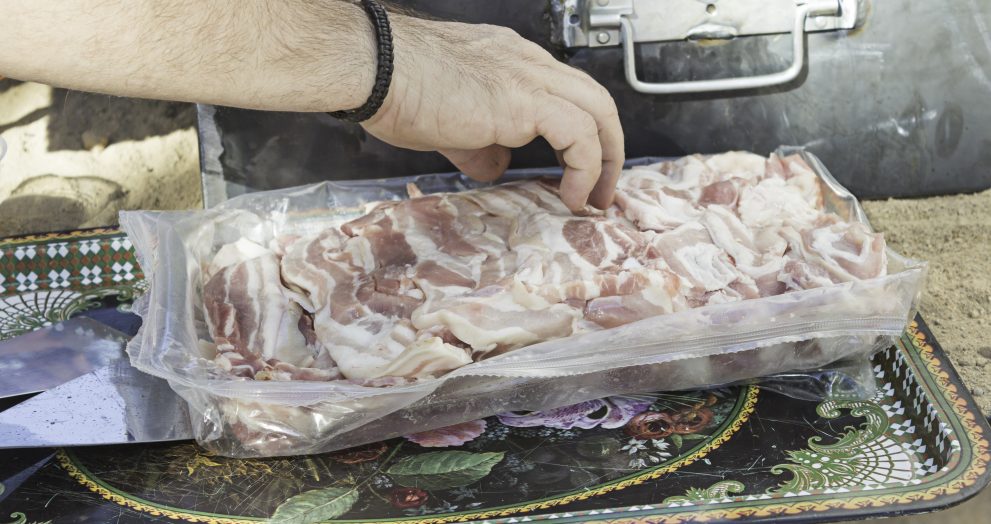
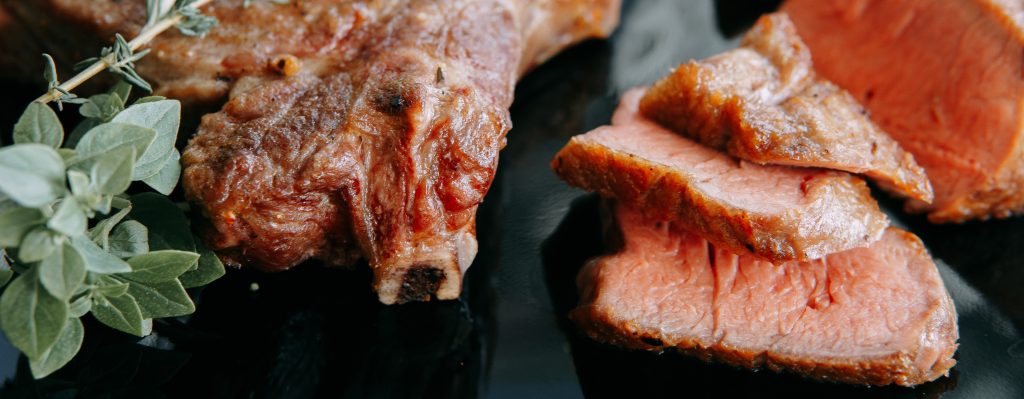
Zabiha meat is not just halal-compliant, it’s also wholesome (tayyib) and nutrient-rich. To maintain its freshness, flavor, and nutritional value, proper freezing and storage techniques are essential. Freezing Zabiha meat incorrectly can lead to loss of taste, texture, and quality, as well as potential contamination.

Avoiding Contamination at Home: Safe Handling of Zabiha Meat

Zabiha meat is halal, wholesome (tayyib), and nutrient-rich, but its quality can be compromised if handled improperly at home. Contamination not only affects taste and texture but can also pose serious health risks. Practicing safe handling, storage, and preparation ensures that every meal remains safe, nutritious, and ethically compliant.

Signs of Fresh Halal Meat: How to Identify Quality and Wholesomeness

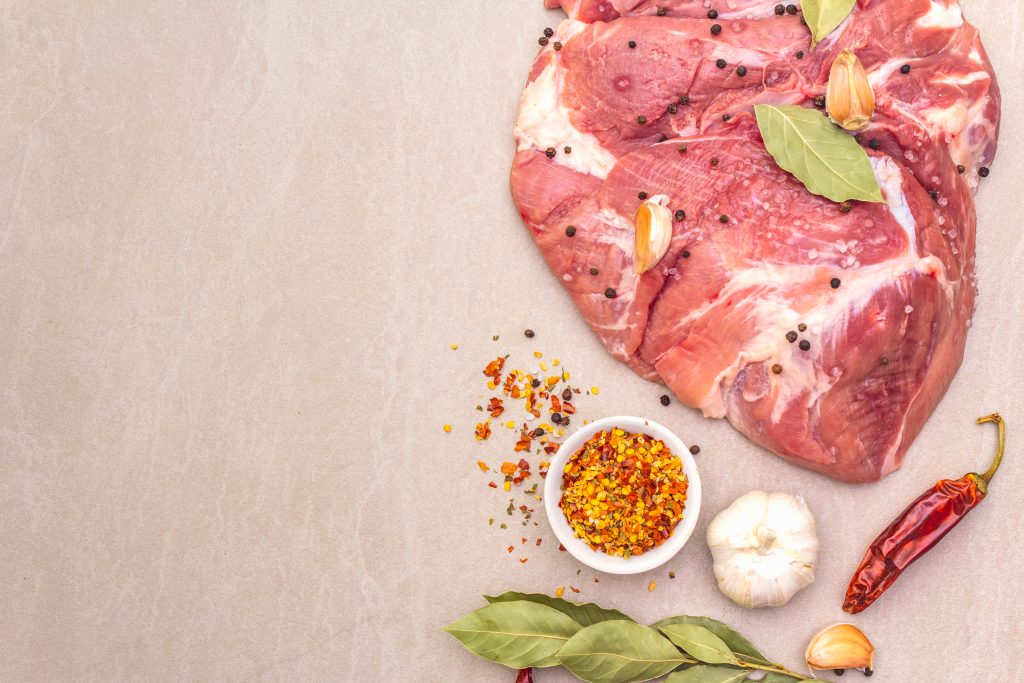
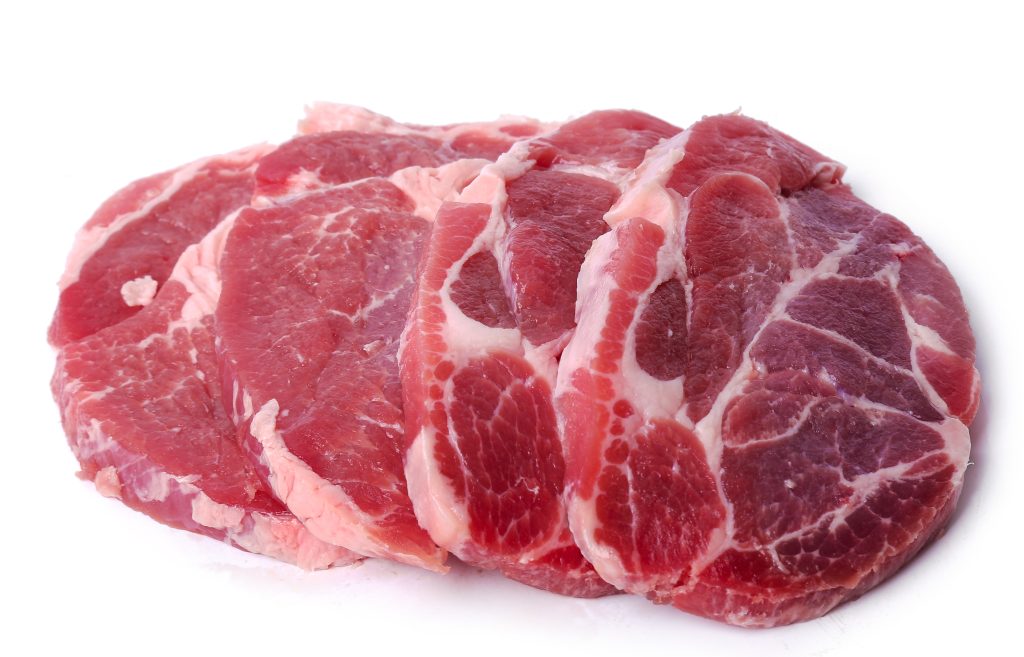
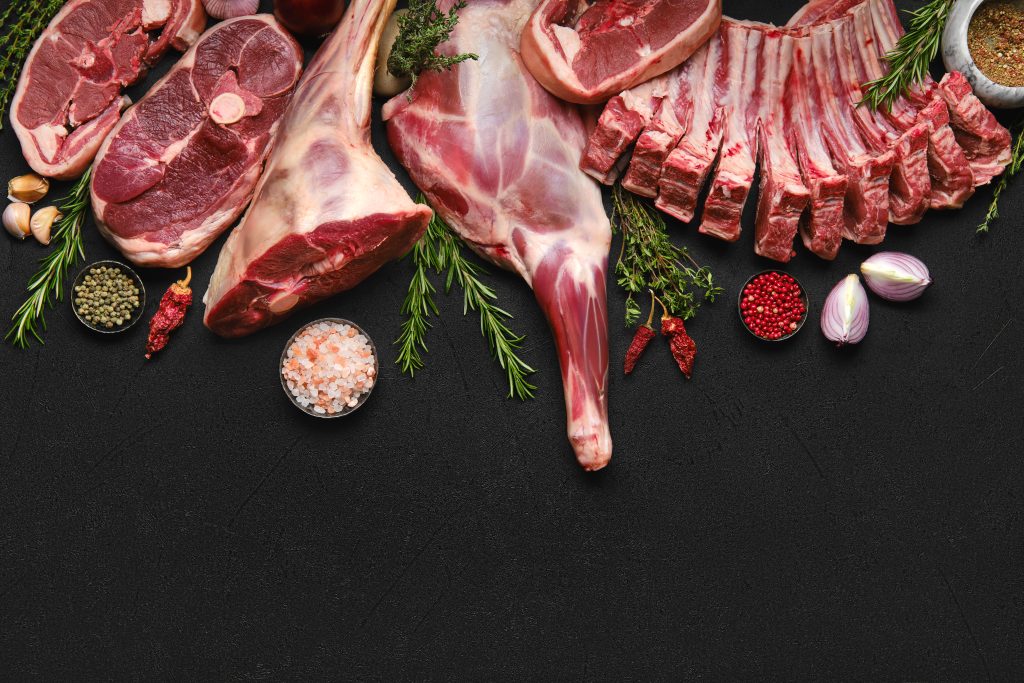
Halal meat is not only lawful (halal) but also wholesome (tayyib), nutrient-rich, and ethically sourced. Choosing fresh halal meat ensures that your meals are safe, flavorful, and nutritious. Freshness is a key indicator of quality, and being able to recognize it at the store or butcher can make a significant difference in both taste and health.

How to Choose Quality Cuts of Halal Meat at the Store

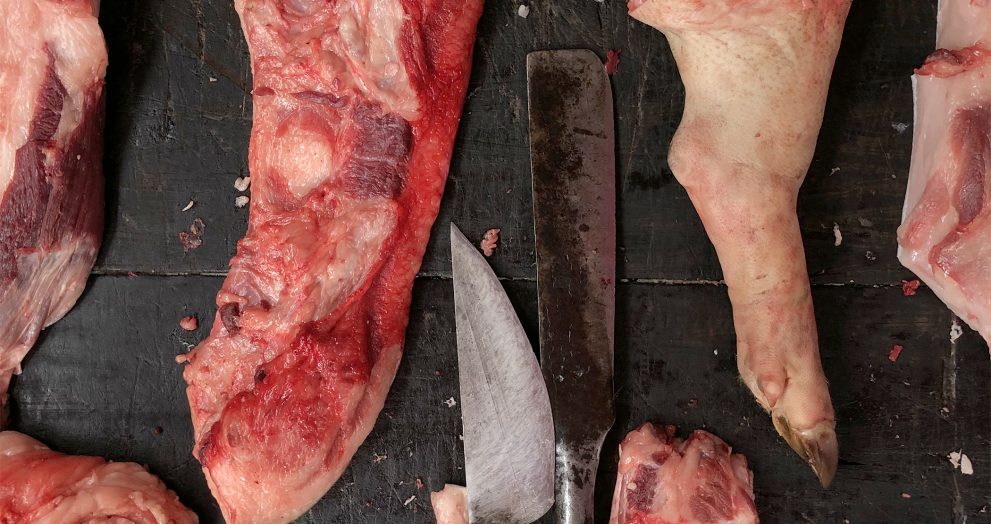
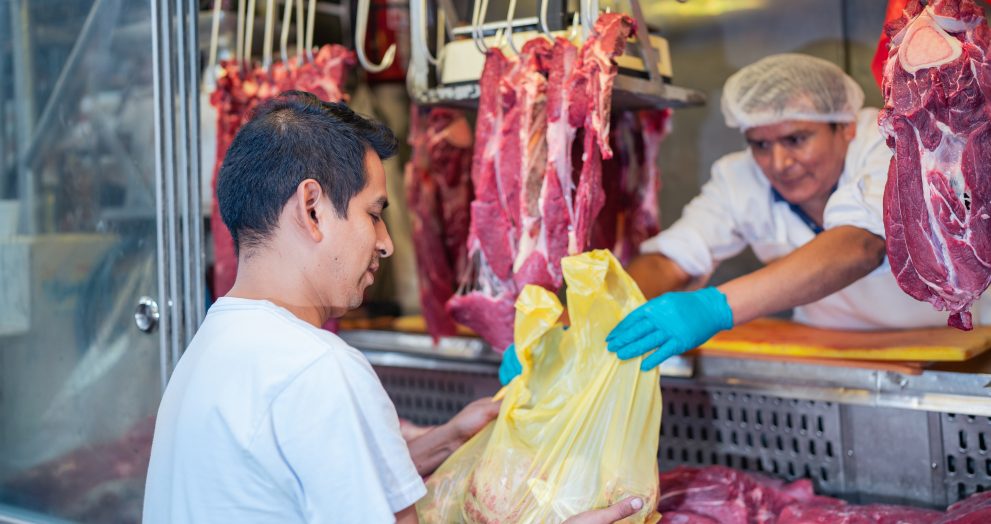
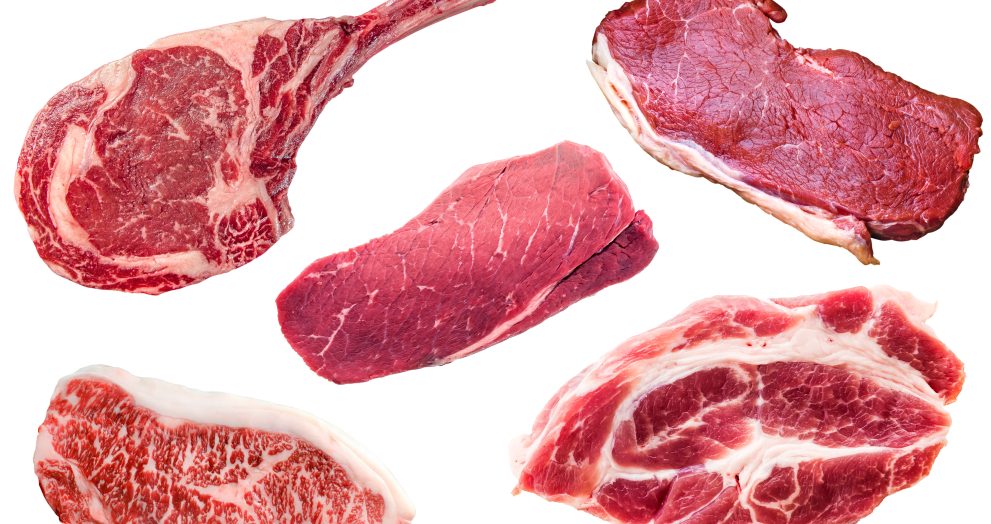
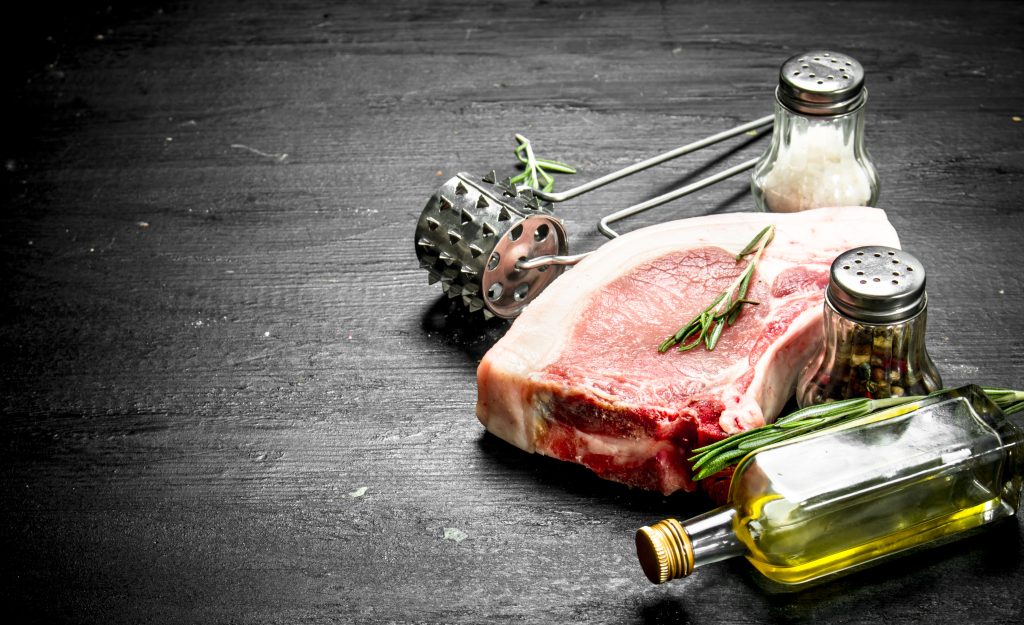
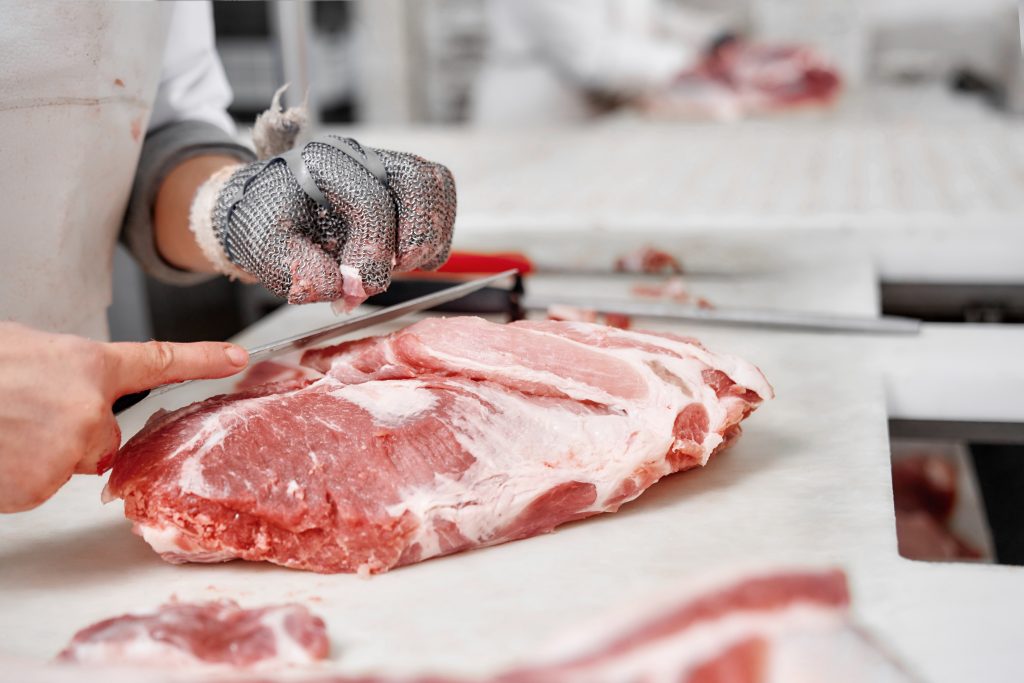
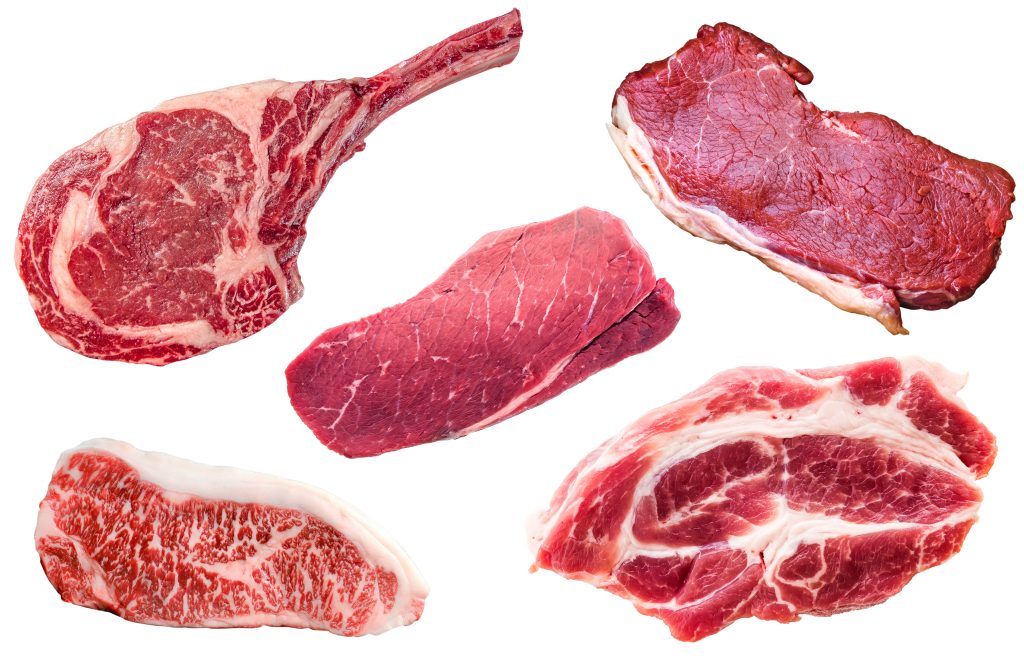
Halal meat is not just about being lawful (halal); it is also about being wholesome (tayyib), fresh, and nutritious. Selecting quality cuts at the store ensures that your meals are safe, flavorful, and healthful. Knowing how to identify the best cuts, evaluate freshness, and make informed choices can greatly improve both your cooking experience and the nutritional value of your meals.

Tips for Smell, Color, and Texture Check for Halal Meat

Halal meat is not only lawful (halal) but also wholesome (tayyib), nutritious, and ethically sourced. Choosing fresh, high-quality meat is crucial for health, taste, and safety. While packaging and branding matter, the most reliable indicators of quality are smell, color, and texture.