










































Sunnah Practices for Eating: Following the Prophetic Way

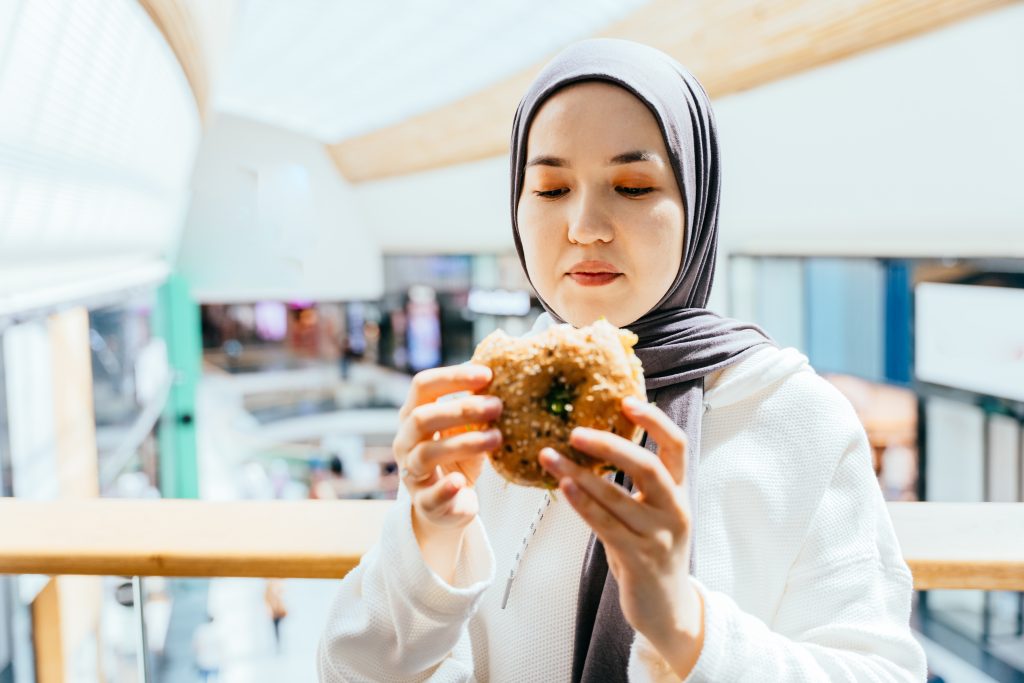
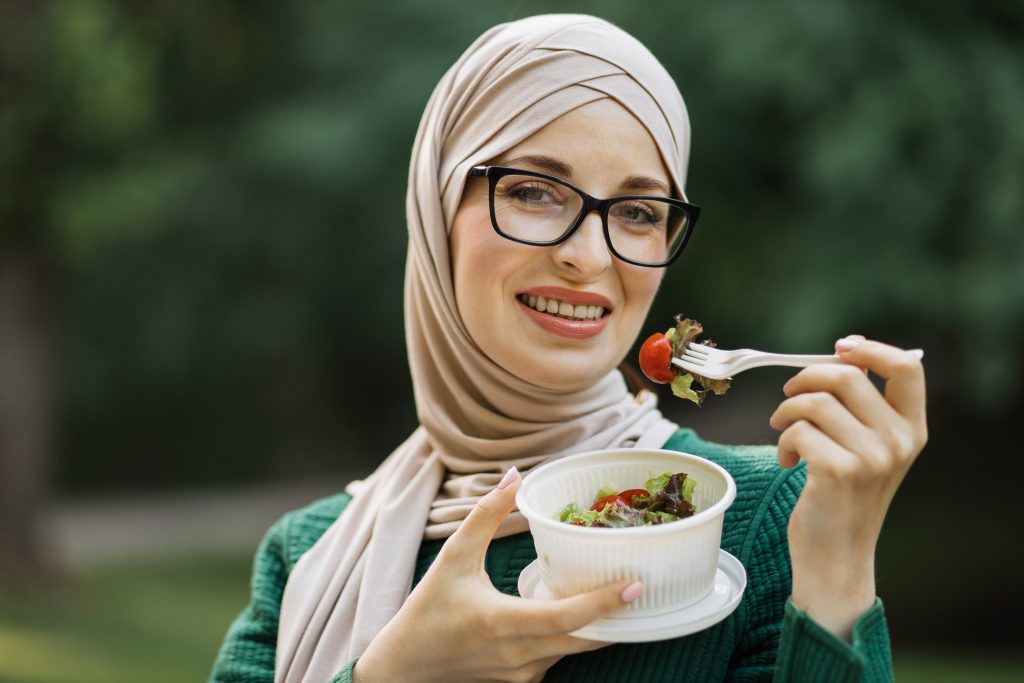
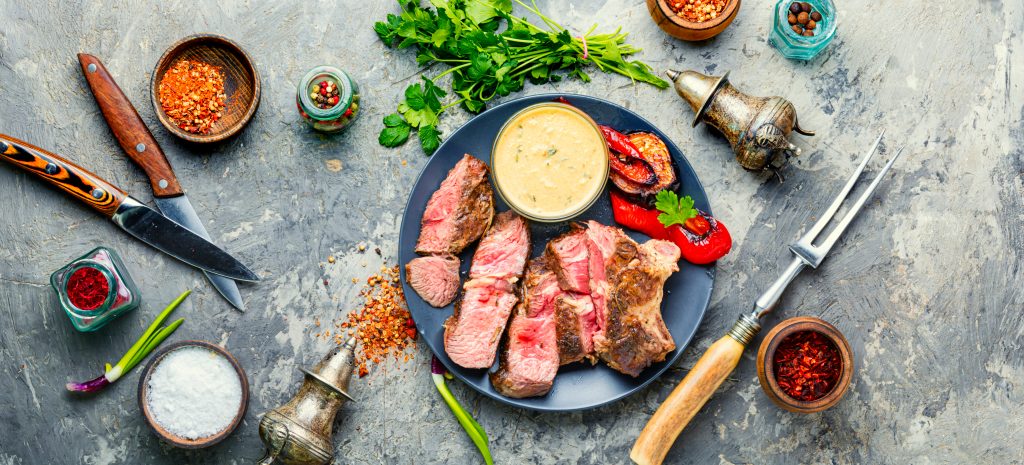
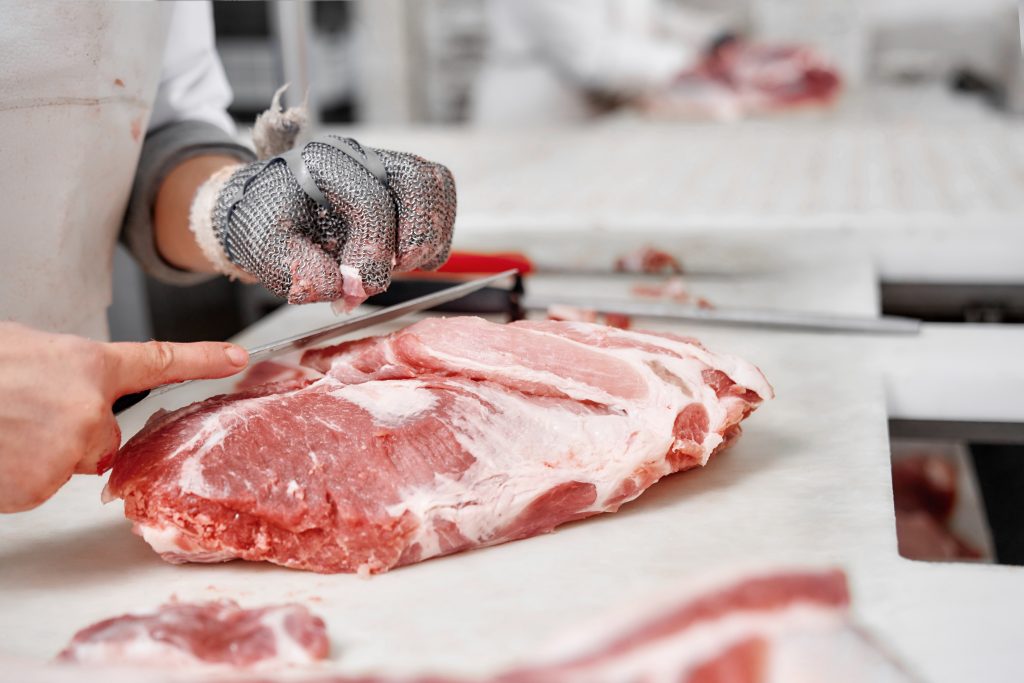
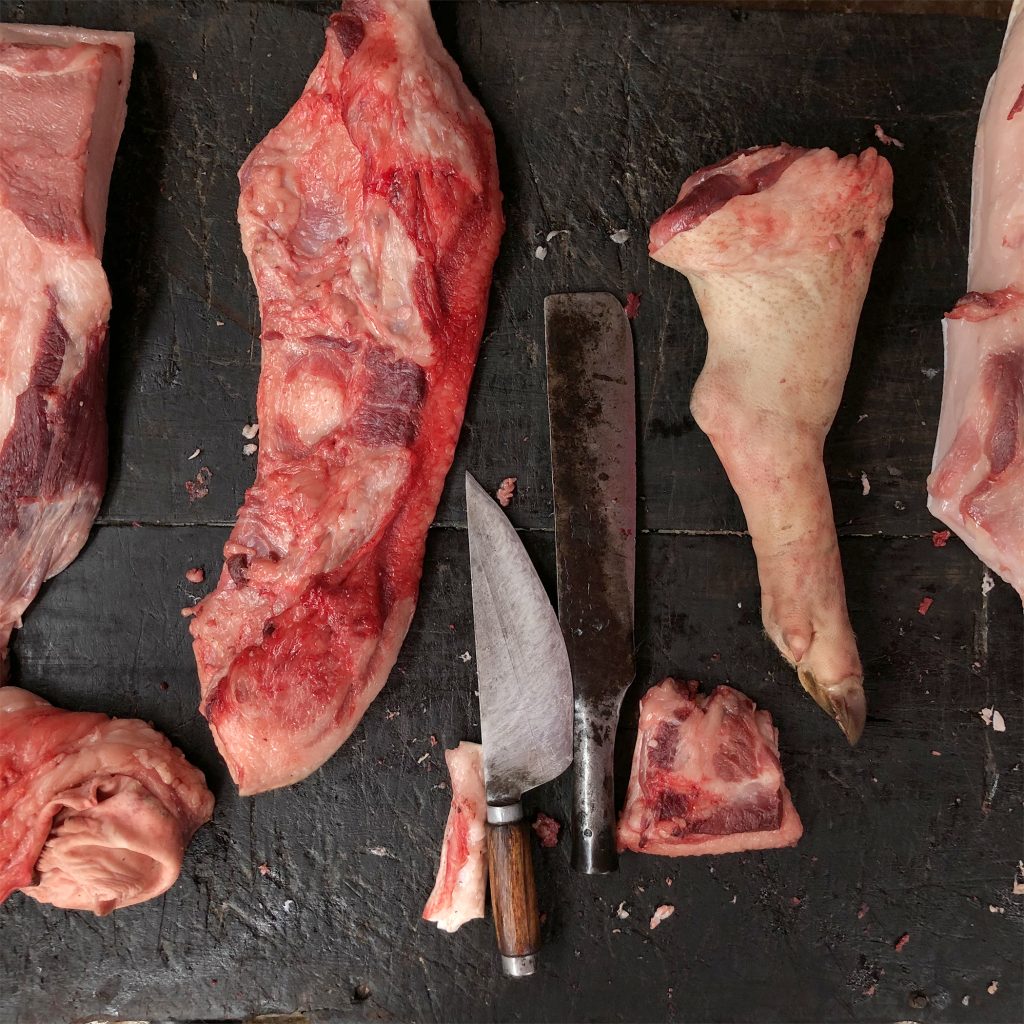
Eating is not just a physical necessity; in Islam, it is also a spiritual practice. The Prophet Muhammad ﷺ provided detailed guidance on how, what, and when to eat, emphasizing mindfulness, moderation, and gratitude. Following these Sunnah practices ensures that meals are healthy, ethical, and spiritually fulfilling.


Etiquettes of Sharing Food: Following Islamic Teachings

Sharing food is more than a simple act of generosity in Islam; it is a spiritual, social, and ethical practice. The Prophet Muhammad ﷺ emphasized that sharing meals strengthens family bonds, community ties, and spiritual gratitude. Observing proper etiquettes ensures that food is shared respectfully, ethically, and in line with Islamic teachings.

Composting and Soil Health: Sustainable Practices for Halal Meat Production

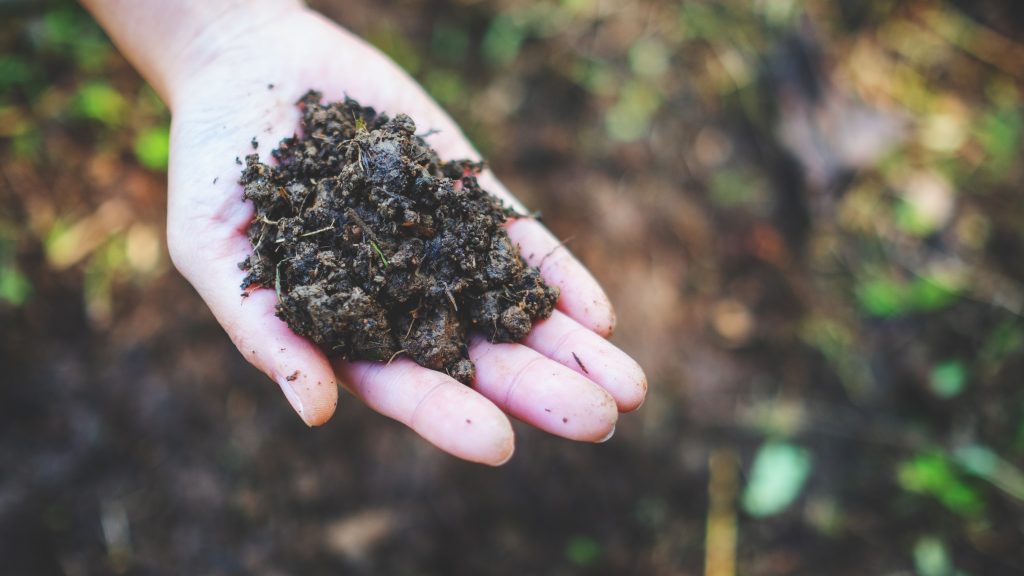
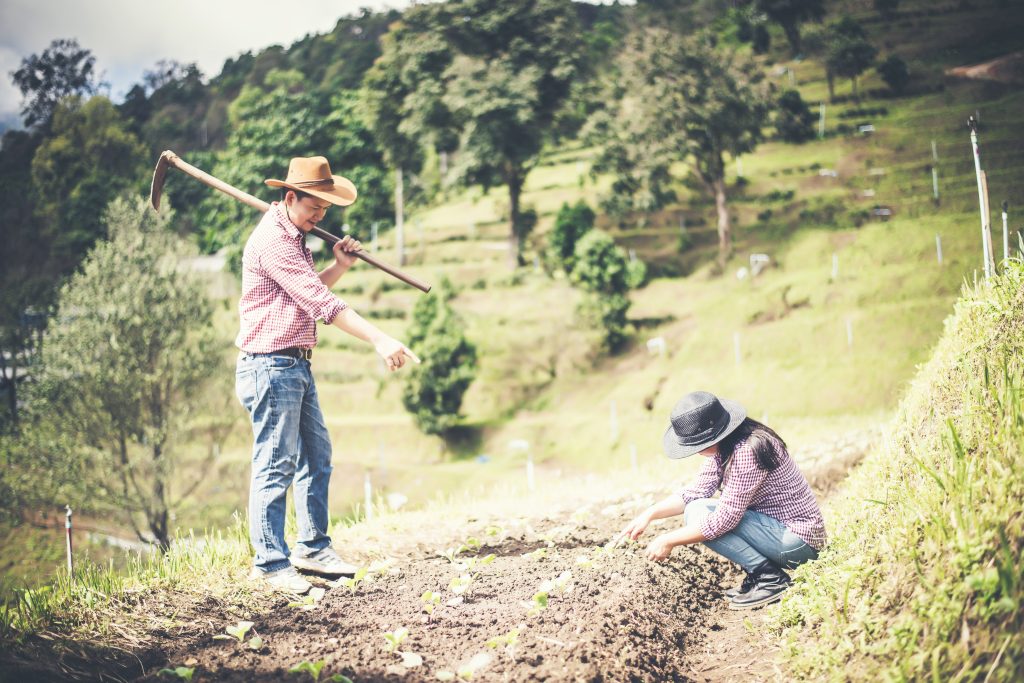
Healthy soil is the foundation of sustainable farming. For livestock and feed crop production, maintaining fertile, nutrient-rich soil is crucial to ensure animals are fed naturally, meat is wholesome, and farms remain environmentally responsible. Composting plays a key role in enhancing soil health while supporting eco-friendly and halal (tayyib) farming practices.

Islam’s Guidance on Animal Welfare: Ethical Practices for Halal Meat Production

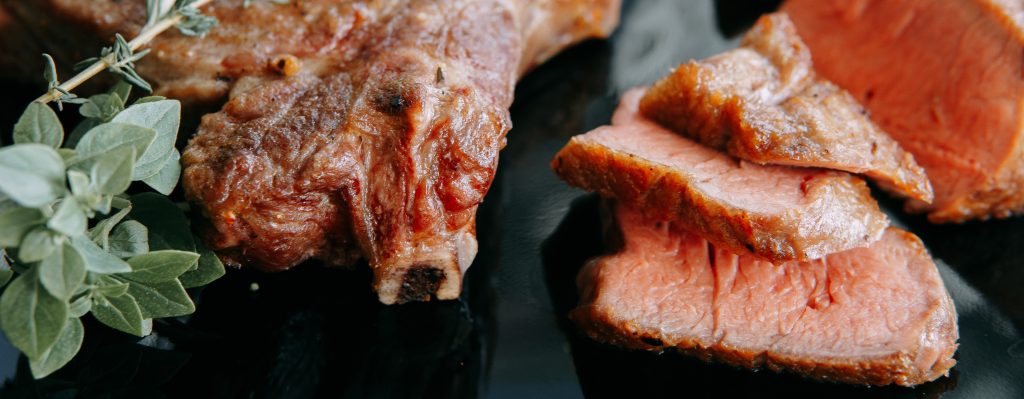
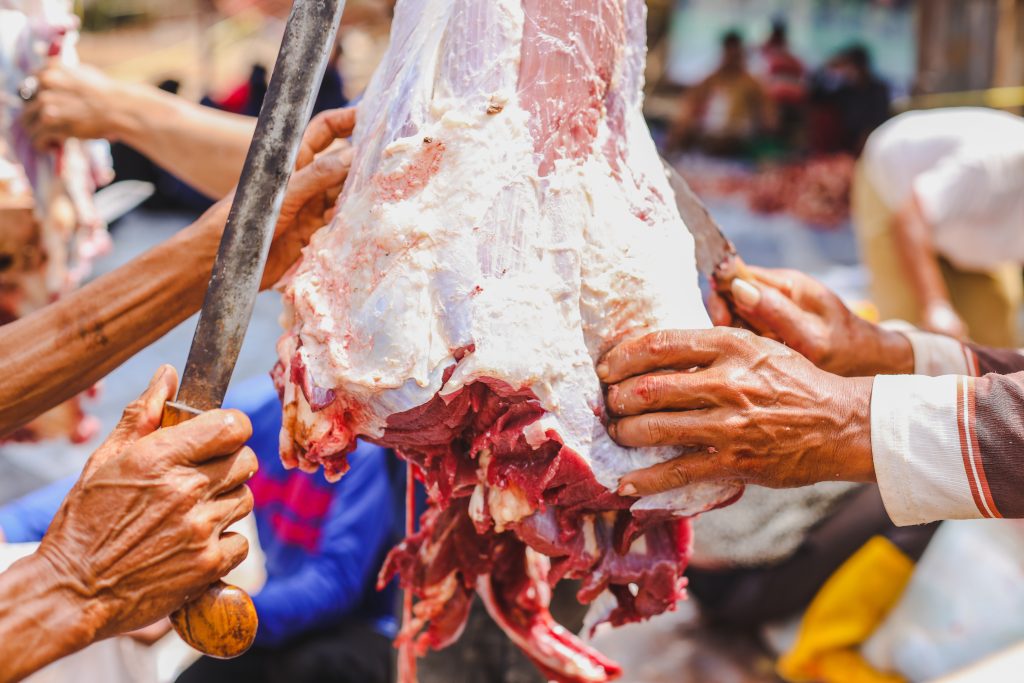
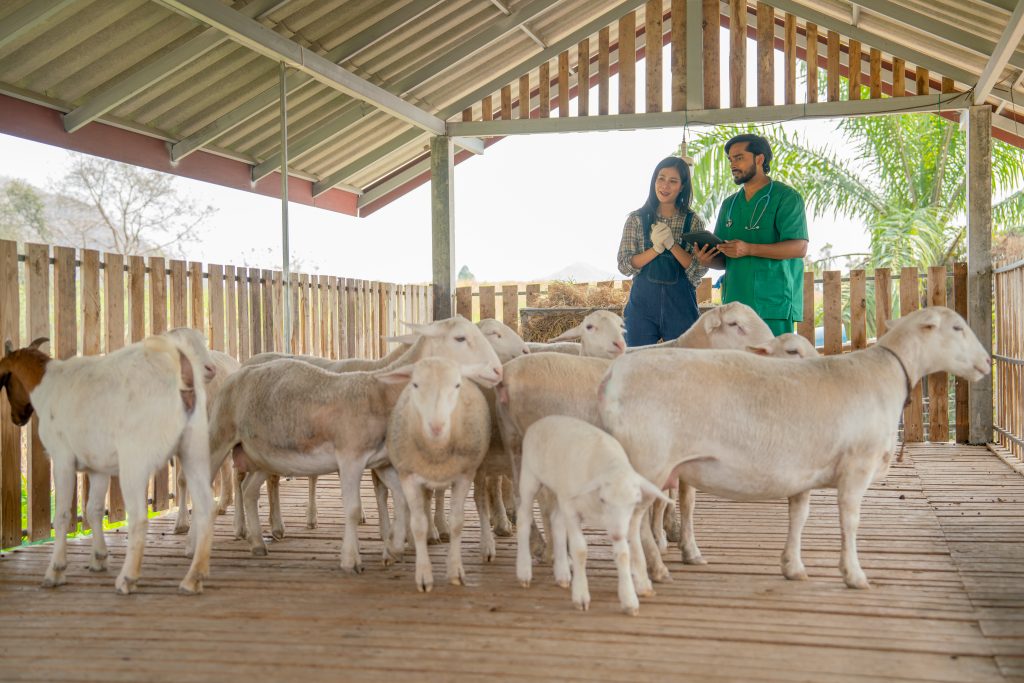
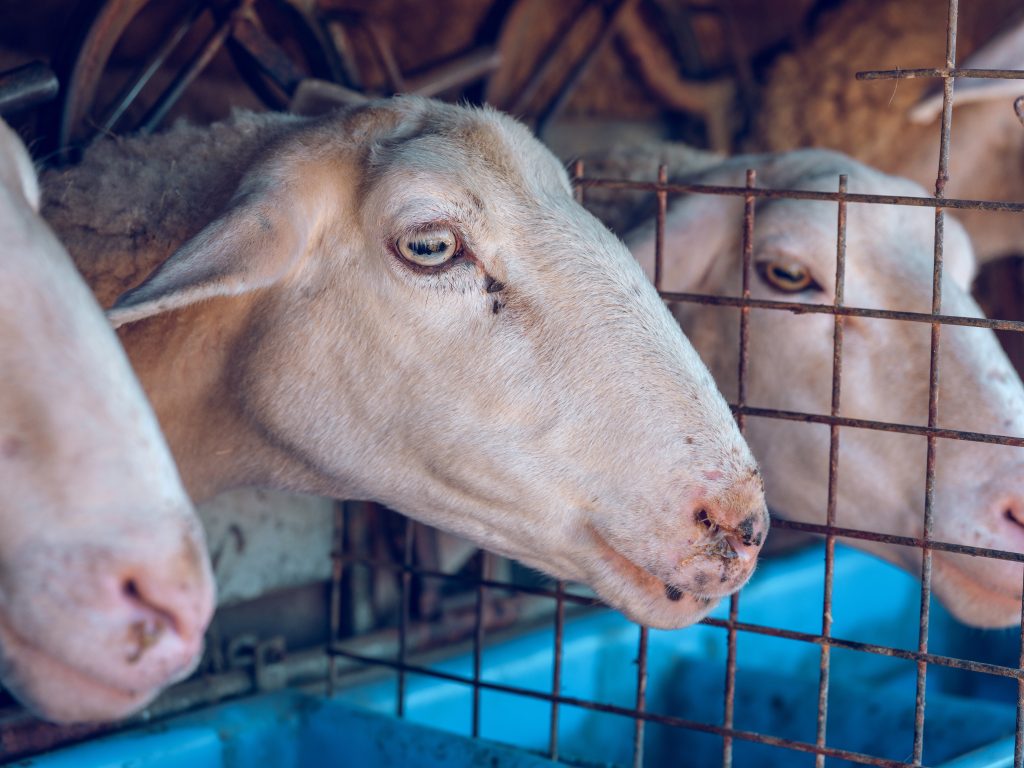
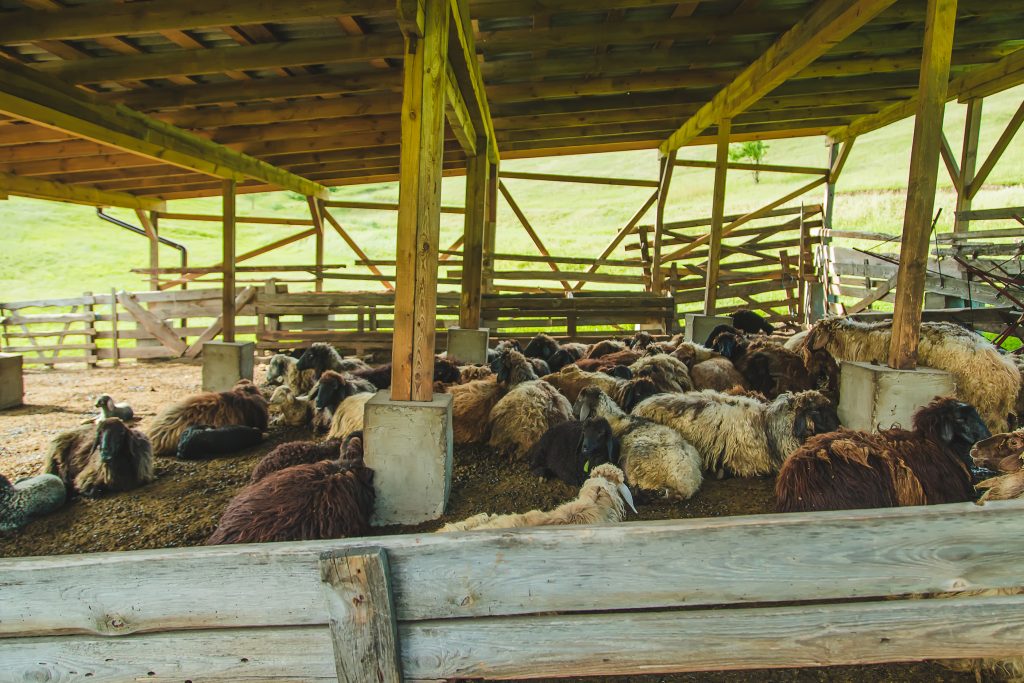
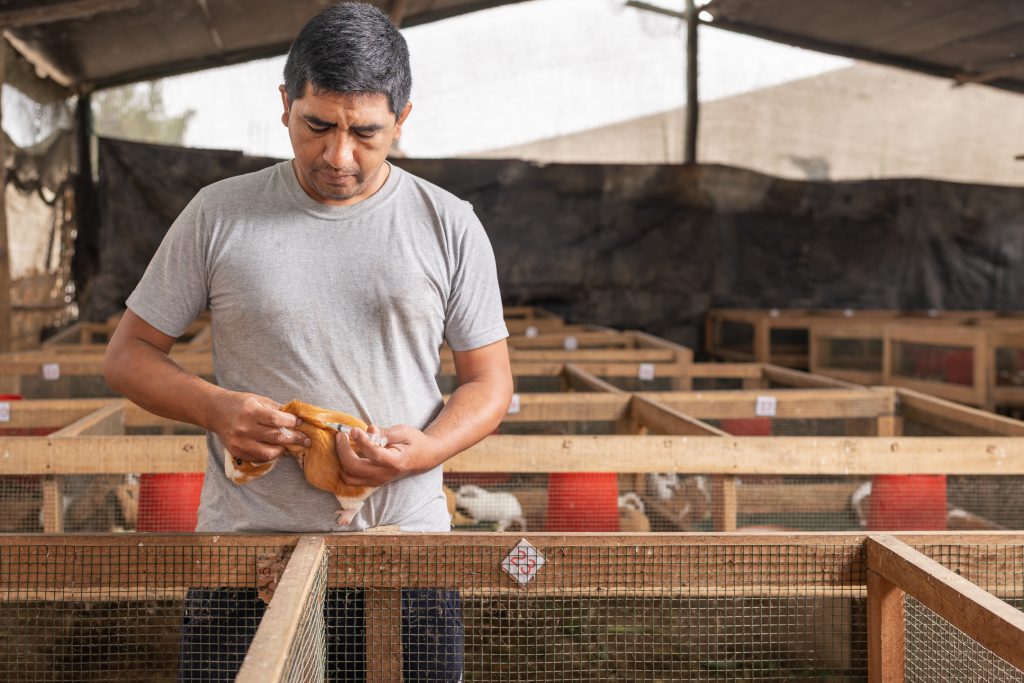
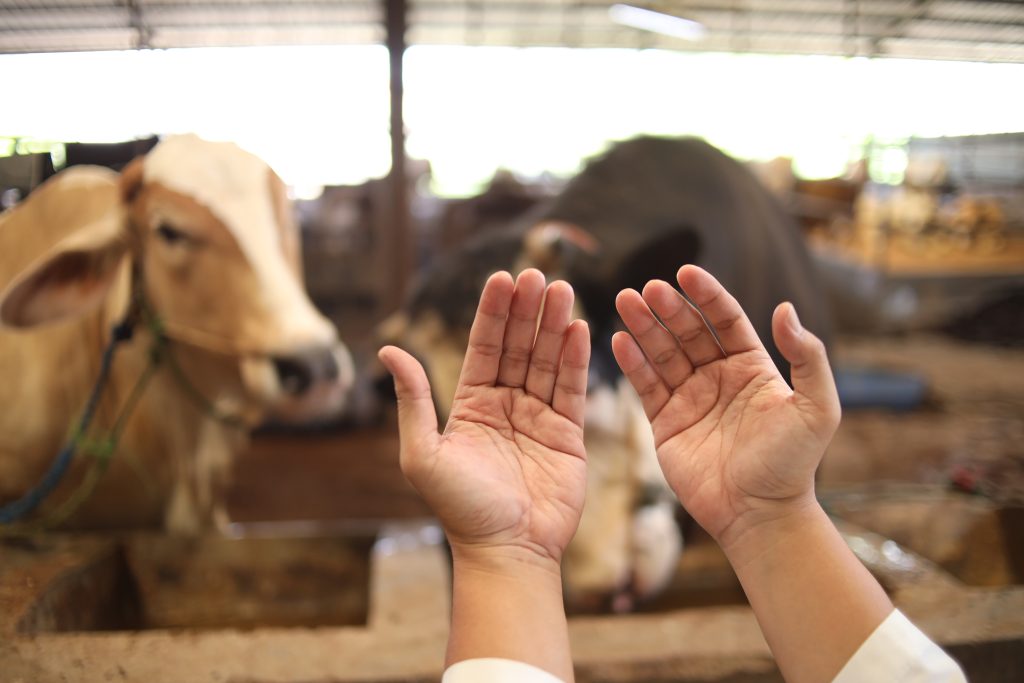
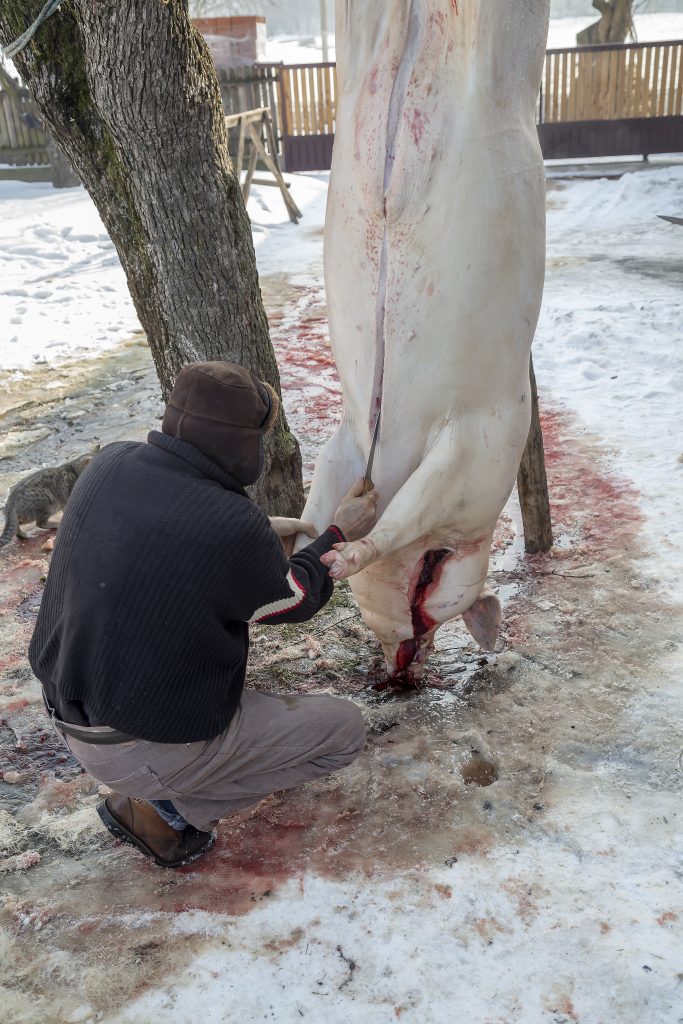
Islam places a strong emphasis on compassion, mercy, and ethical treatment of all creatures, including livestock. Animal welfare is not just an ethical choice but a religious obligation, ensuring that halal meat is lawful (halal) and wholesome (tayyib). Understanding Islamic guidance on animal care helps farms like Zabiha Farms provide meat that is ethically sourced, humane, and spiritually compliant.