





Finding Zabiha Halal Meat, a Trusted Butcher, and a Real Zabiha Farm Near You
-
Admin_Npalla / 3 months
- July 14, 2026
- 0
- 6 min read


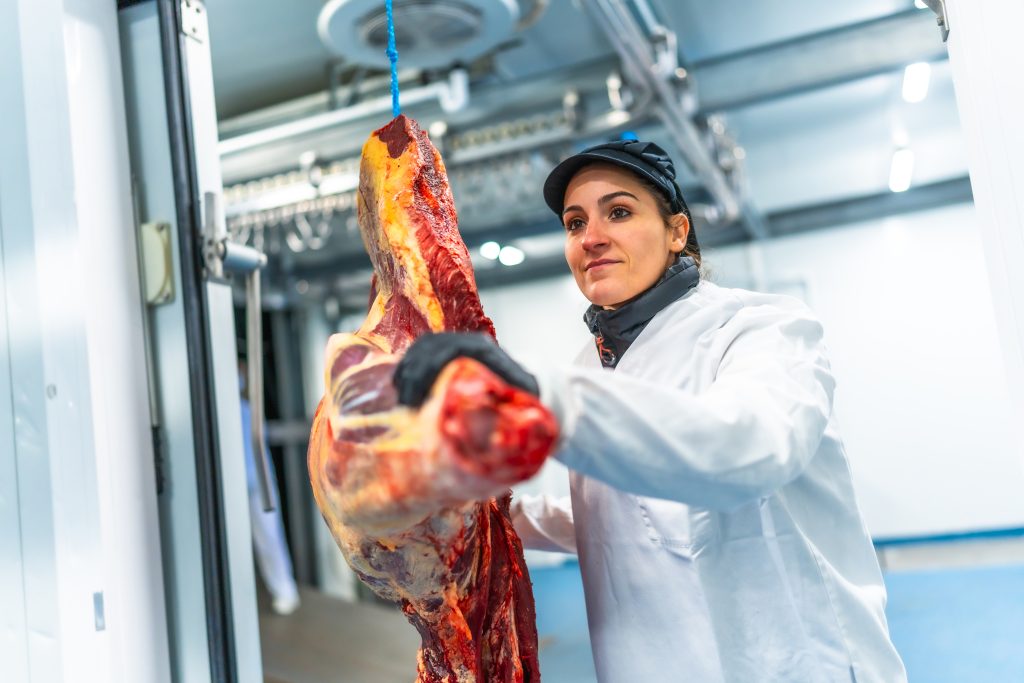
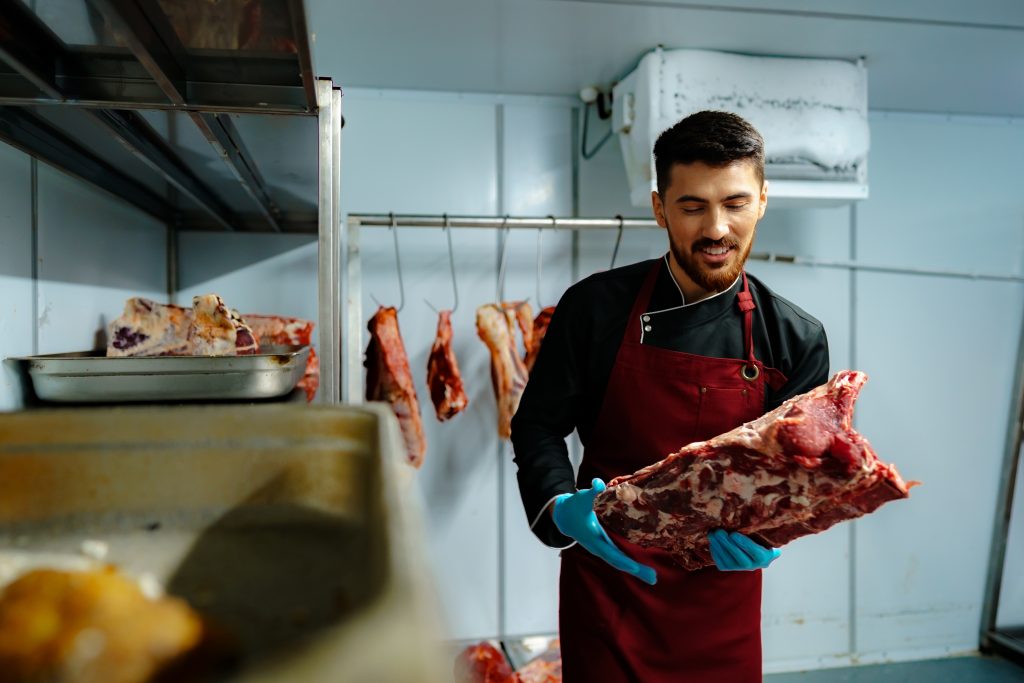
Searching for “zabiha halal meat near me” or “zabiha halal butcher near me” usually turns up more options than you can easily compare — some legitimate, some just using the word “halal” loosely. Behind every trustworthy source, though, is the same thing: a real zabiha halal farm with a documented, verifiable process from the animal all the way to your plate.
This guide walks through how to evaluate a local butcher, what separates a genuine zabiha farm from one just using the label, and what to actually look for before you buy.
Why the Butcher Is Only Half the Story
A butcher shop is the last stop in a much longer chain — and its trustworthiness depends entirely on what happens upstream. Before evaluating a local butcher, it helps to understand what a properly run zabiha operation looks like from the start. Our Farm to Table category covers this full journey, including the Journey of Zabiha Farms — a useful reference for understanding what questions to ask any butcher about where their supply actually comes from.
What a Real Zabiha Halal Farm Should Be Able to Show You
Not every operation using the word “zabiha” is transparent about its actual practices. A legitimate farm should be able to speak clearly to:
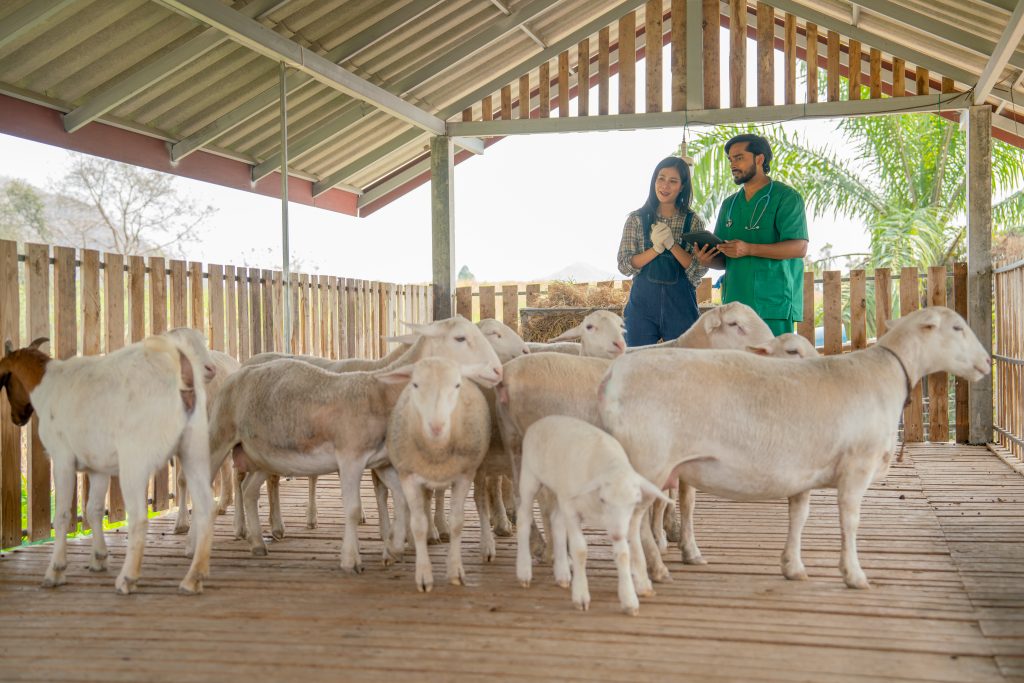
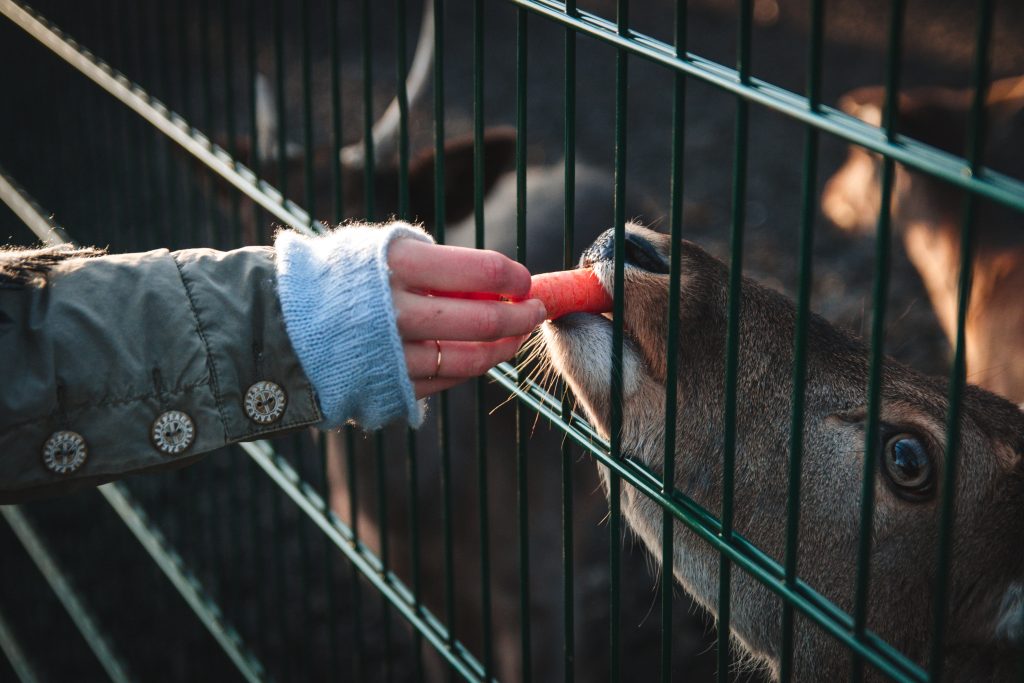
Animal care standards. Ethical treatment isn’t a side note — it’s central to the process. Our Animal Care & Welfare category covers what humane, well-run farms actually do day to day, including posts like Humane Practices at Zabiha Farms and Daily Life of Our Livestock at Zabiha Farms.
Documented quality control. A serious operation tracks quality at every stage, not just at slaughter. Our Quality Control Process category — including Testing for Safety and Purity at Zabiha Farms and Our Standards for Premium Halal Meat — covers exactly what this should look like in practice.
Sourcing transparency. Where the animals actually come from, and how that’s verified, matters as much as anything downstream. How We Source Our Animals walks through this directly.
Genuine, not just certified-on-paper, ethical slaughter. Our Sustainability & Ethics category — particularly Islam’s Guidance on Animal Welfare and Ensuring Ethical Treatment in Slaughter — outlines the standards a real zabiha farm should be operating against.
What to Actually Check When Choosing a Zabiha Halal Butcher Near You
Once you’ve found a butcher claiming zabiha sourcing, don’t stop at the sign in the window. A few concrete checks:
Ask which farm or supplier they source from, by name. A legitimate butcher won’t hesitate to answer this. Vague responses are a signal to keep looking.
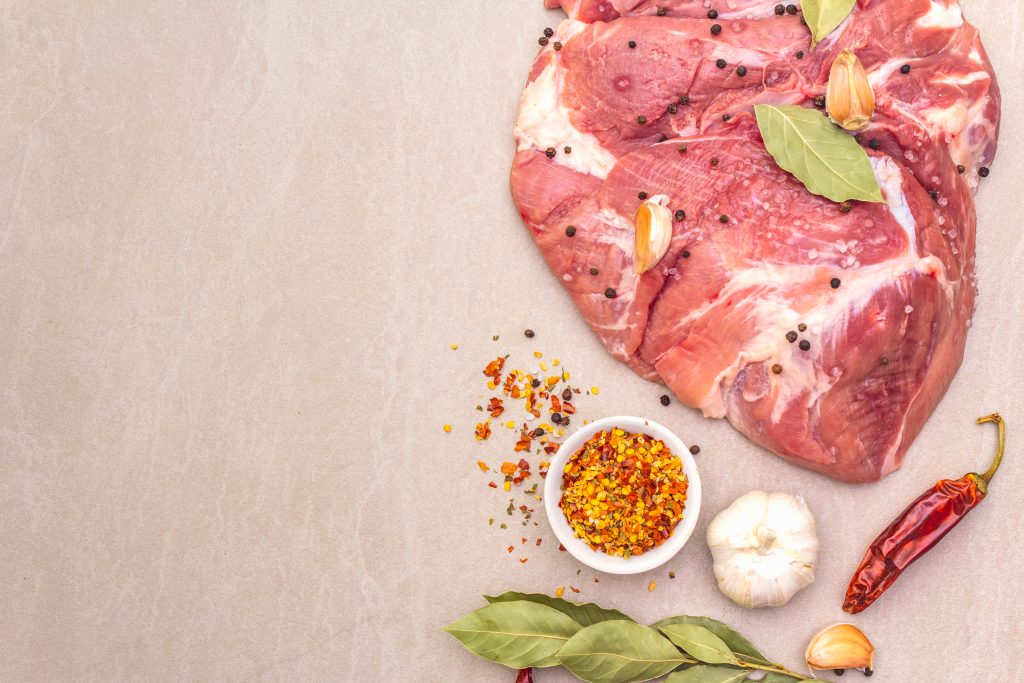
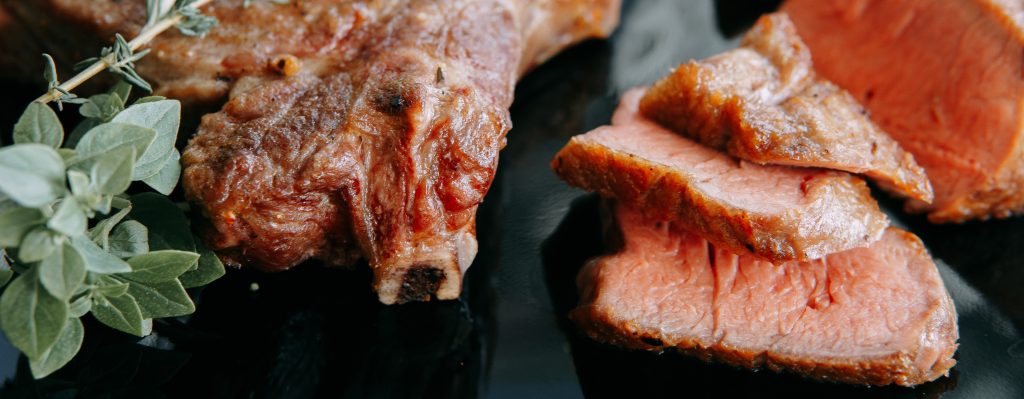
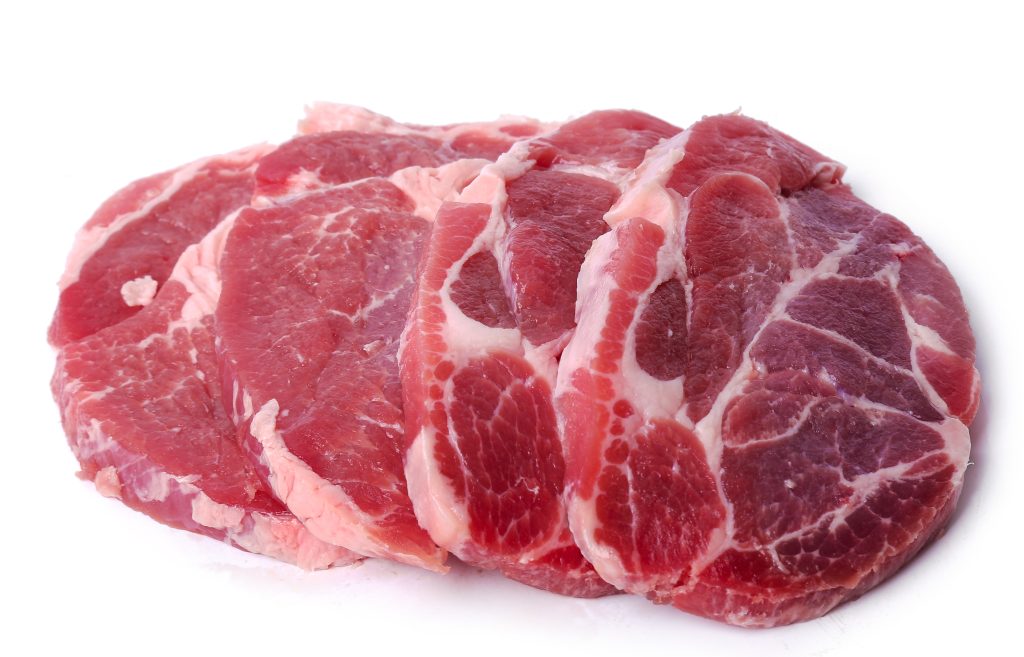
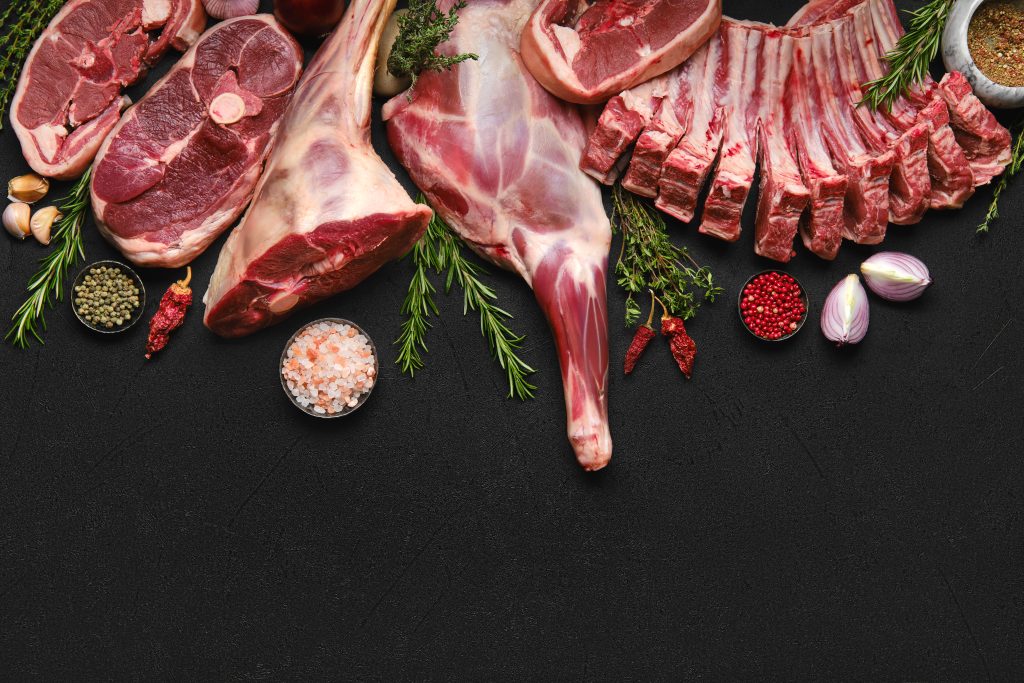
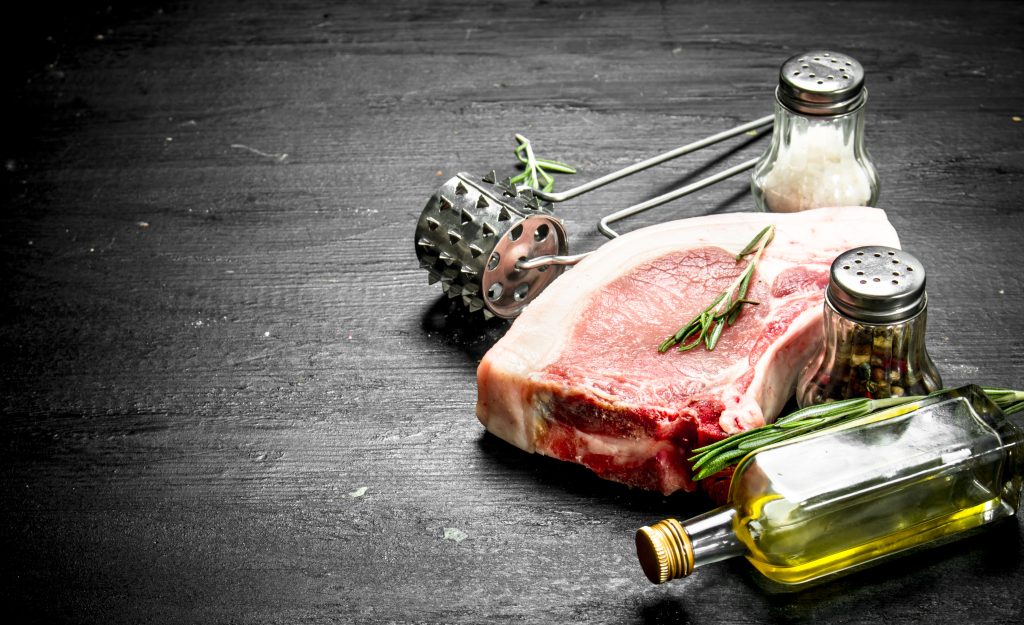
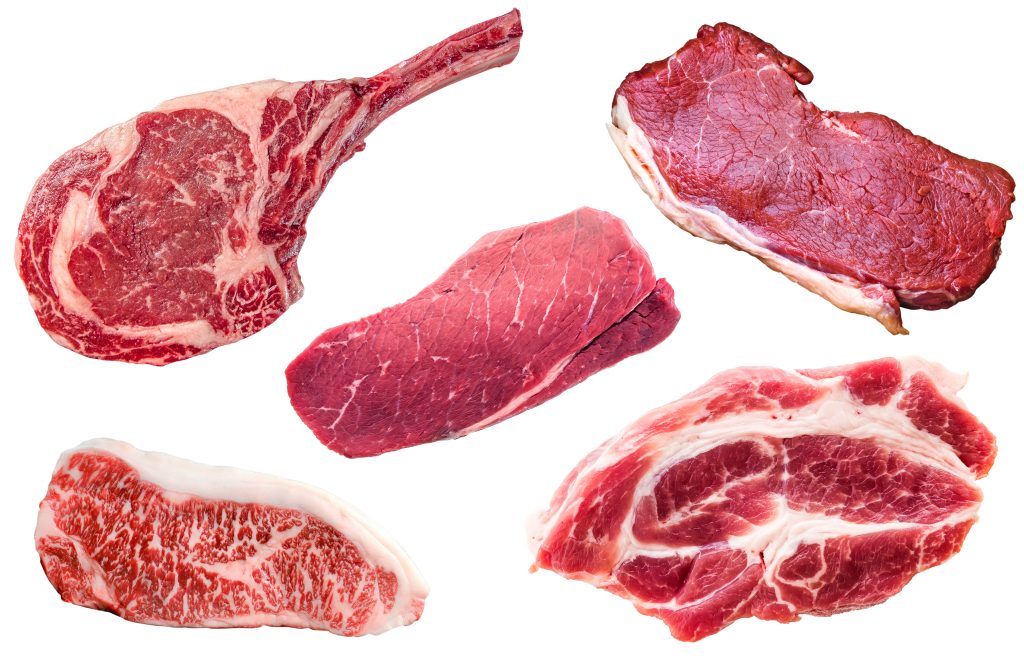
Learn to identify quality yourself. Even with a trusted supplier, it helps to know what to look for. Our guides on Signs of Fresh Halal Meat, Tips for Smell, Color, and Texture Check for Halal Meat, and How to Choose Quality Cuts of Halal Meat at the Store walk through exactly this.
Don’t confuse price with quality. Our post on Price vs Quality: What to Look For in Halal Meat breaks down what actually drives cost differences between suppliers, so you’re not paying a premium for marketing rather than actual quality.
Ask basic buying-guide questions before committing to a regular supplier. Our Buying Guide & FAQs category, including Common Questions About Halal Meat, covers the basics most people forget to ask upfront.
Buying Online If Local Options Are Limited
Not everyone has a trustworthy zabiha butcher nearby. If that’s your situation, our How to Buy Zabiha Meat Online: A Complete Guide walks through what to verify before ordering — the same sourcing transparency questions apply, just with an added layer of checking delivery and handling standards.
What Happens After You Buy: Storage Matters Too
Sourcing quality doesn’t mean much if the meat isn’t handled properly once it’s in your kitchen. Our Meat Storage Tips category covers exactly this, including How to Freeze Zabiha Meat Properly, Shelf Life of Different Cuts, and Avoiding Contamination at Home — all worth reviewing once you’ve found a supplier you trust, so the quality actually holds up by the time it reaches your table.
Understanding the “Zabiha” Designation Itself
If you’re newer to the term or want a clearer foundation before evaluating sources, our Zabiha Meat Education category — including What is Zabiha? and the Islamic Slaughter Process — lays out exactly what the designation requires, so you know what you’re actually verifying when you ask a farm or butcher about their process.
A Practical Checklist Before You Commit to a Supplier
- Ask the butcher to name their supplying farm directly.
- Confirm whether that farm publishes or shares information about animal care and slaughter practices.
- Compare pricing against a few other local or online sources to spot outliers.
- Learn basic freshness indicators so you can evaluate quality yourself, not just take claims at face value.
- Confirm proper storage guidance once you’ve purchased, so quality holds through to cooking.
Frequently Asked Questions
What’s the difference between a zabiha halal farm and a regular farm claiming halal practices? A genuine zabiha halal farm follows the specific Islamic method of slaughter and can typically speak clearly and specifically about their process, animal care, and certification. A farm just using “halal” as a marketing term often can’t answer detailed questions about sourcing or slaughter method.
How do I know if a local butcher is telling the truth about zabiha sourcing? Ask them to name their supplying farm directly and check whether that farm is transparent about its own practices. Hesitation or vague answers are a warning sign worth taking seriously.
Is zabiha halal meat near me always more expensive than conventional meat? Not necessarily. Pricing depends more on supplier relationships, cut, and local market conditions than the zabiha designation alone. Comparing a few sources typically reveals a reasonable range.
Can I buy directly from a zabiha halal farm instead of going through a butcher? Some farms do sell directly or through farm visits, which can offer more transparency. It’s worth asking directly if a farm you’re interested in offers this option.
Does zabiha meat need to be stored differently than conventional meat? The storage principles are largely the same as any fresh meat — proper refrigeration, correct freezing technique, and attention to shelf life — but starting with a high-quality, properly sourced product makes those storage steps matter even more for maintaining freshness.